.This is only available in persian language
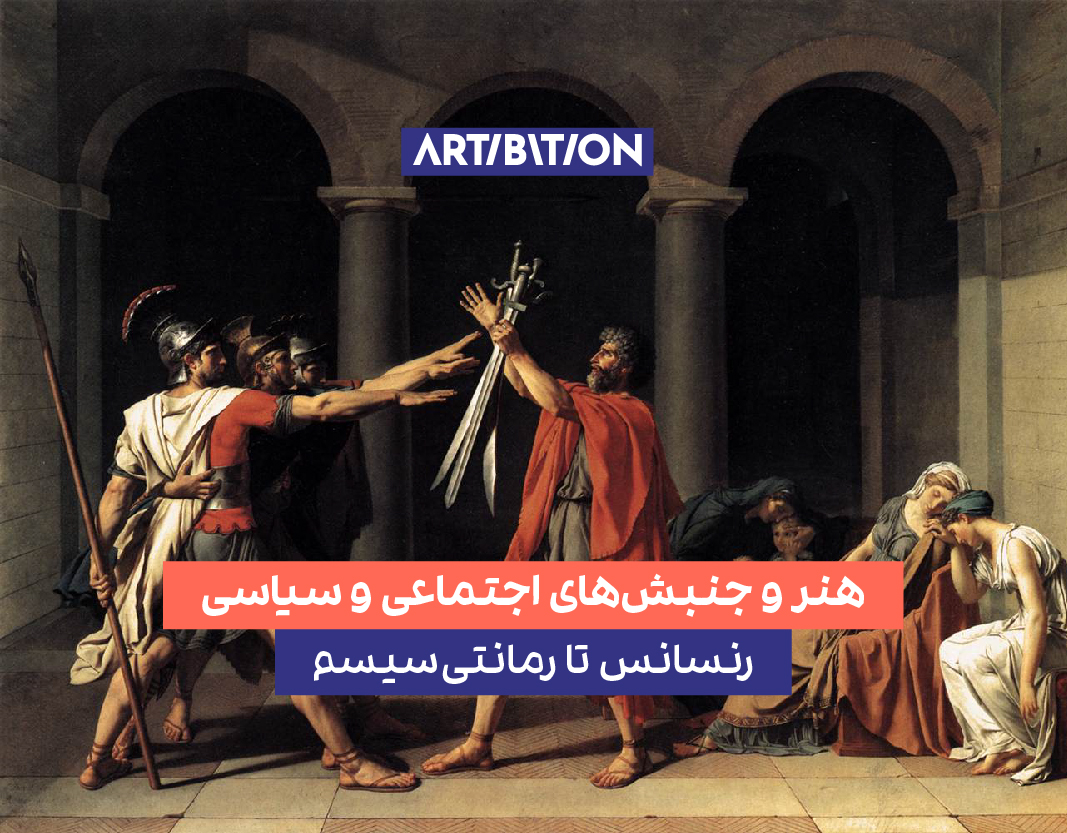
Social and Political Movements and Art: From the Renaissance to Romanticism

Rahele Yousefi
Throughout history, art has been one of humanity’s most important tools for representing, reinforcing, and challenging social and political order. From the Renaissance to Romanticism, the relationship between art and political power was complex and reciprocal. Art was shaped by structures of authority, yet as the status of the artist evolved, audiences expanded, and patronage systems transformed, it became a space for generating meaning and redefining power. The artist shifted from a craftsman to a conscious observer and interpreter of social realities. The Renaissance, the Protestant Reformation, and the French Revolution not only transformed Europe’s political and social structures but also redefined the concept and function of art. Over time, art gradually moved from being an instrument of power to a force capable of shaping collective identity, critiquing the status quo, and influencing social and political movements.