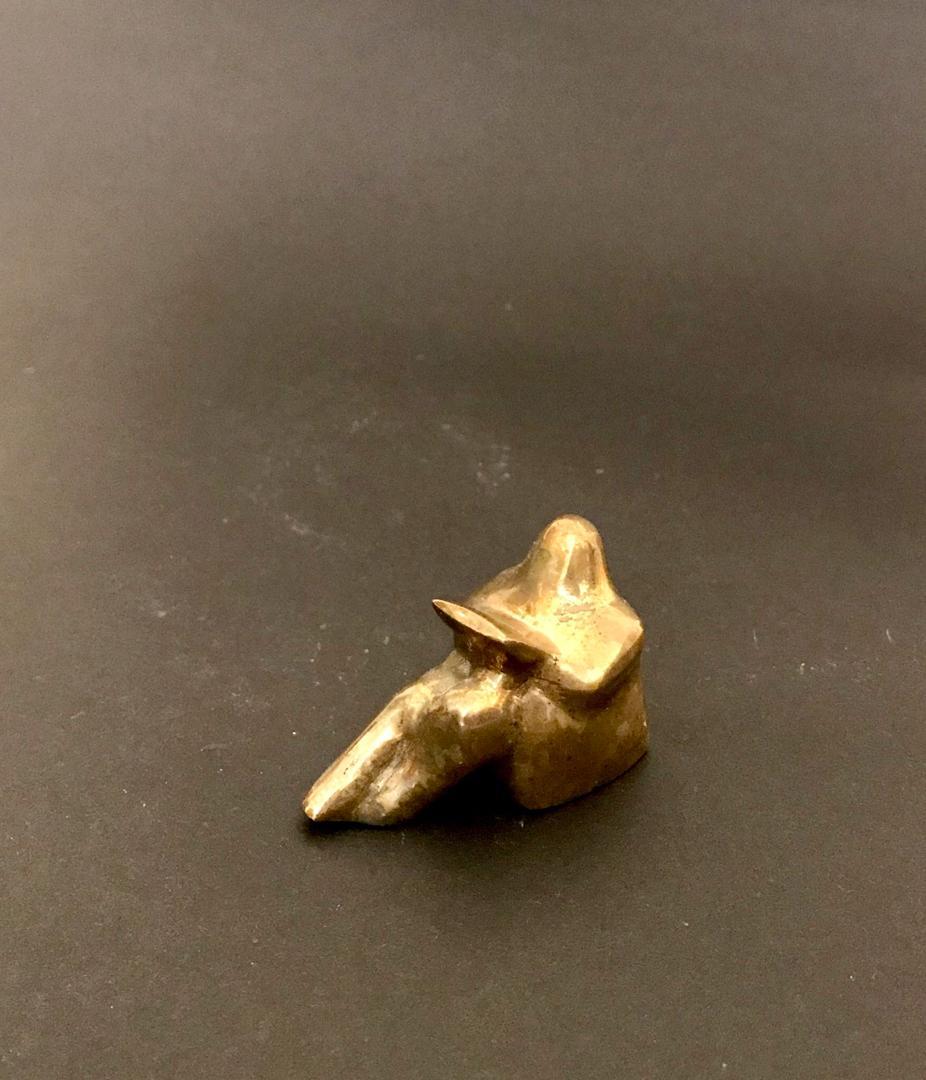
Alam-Taj
Single edition
CategorySculpture
TechniqueMetal
MaterialBronze
Dimensions14W x 7H x 9L cm
Creation Date2024
Code07040078259
About the Artwork
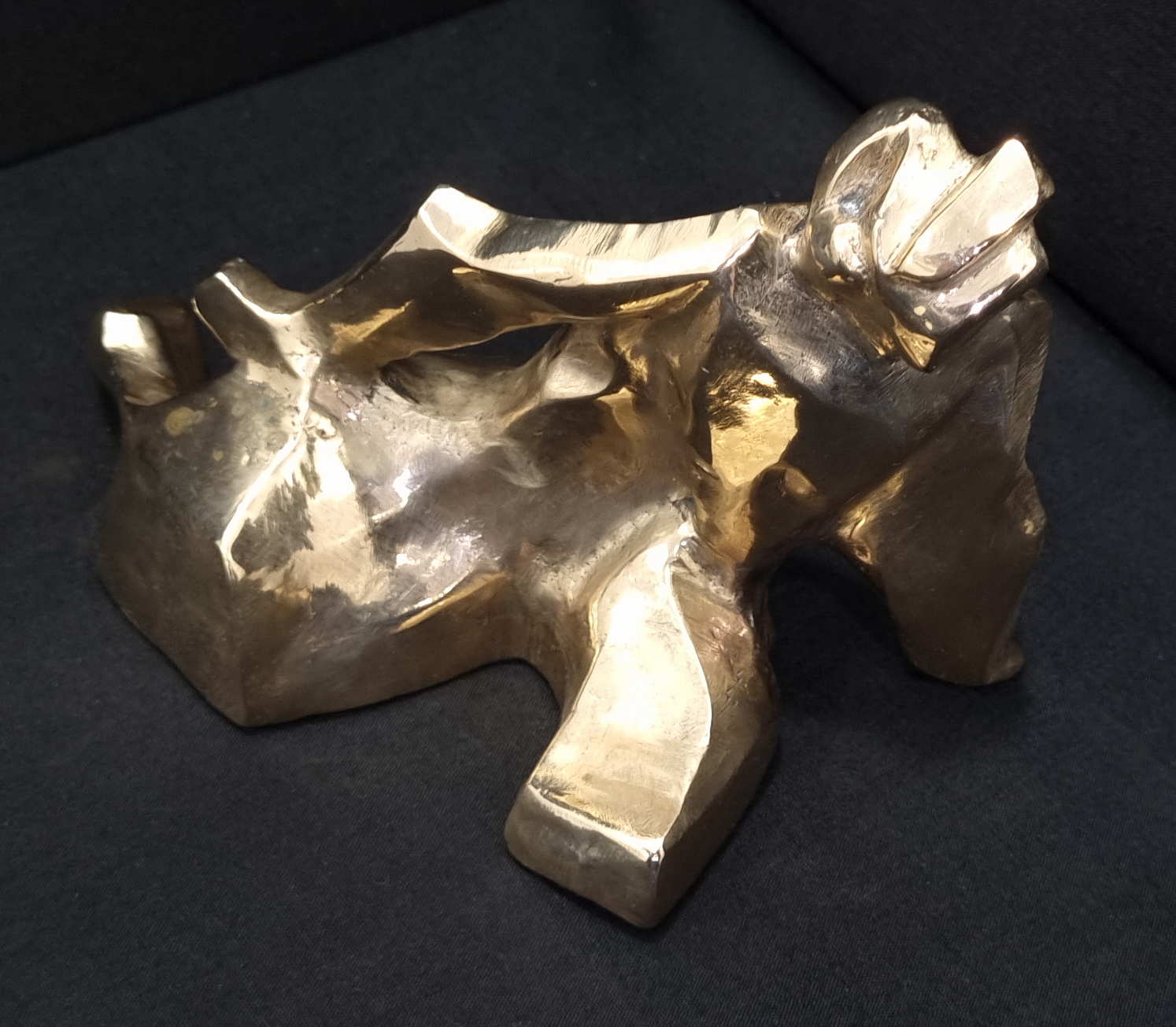
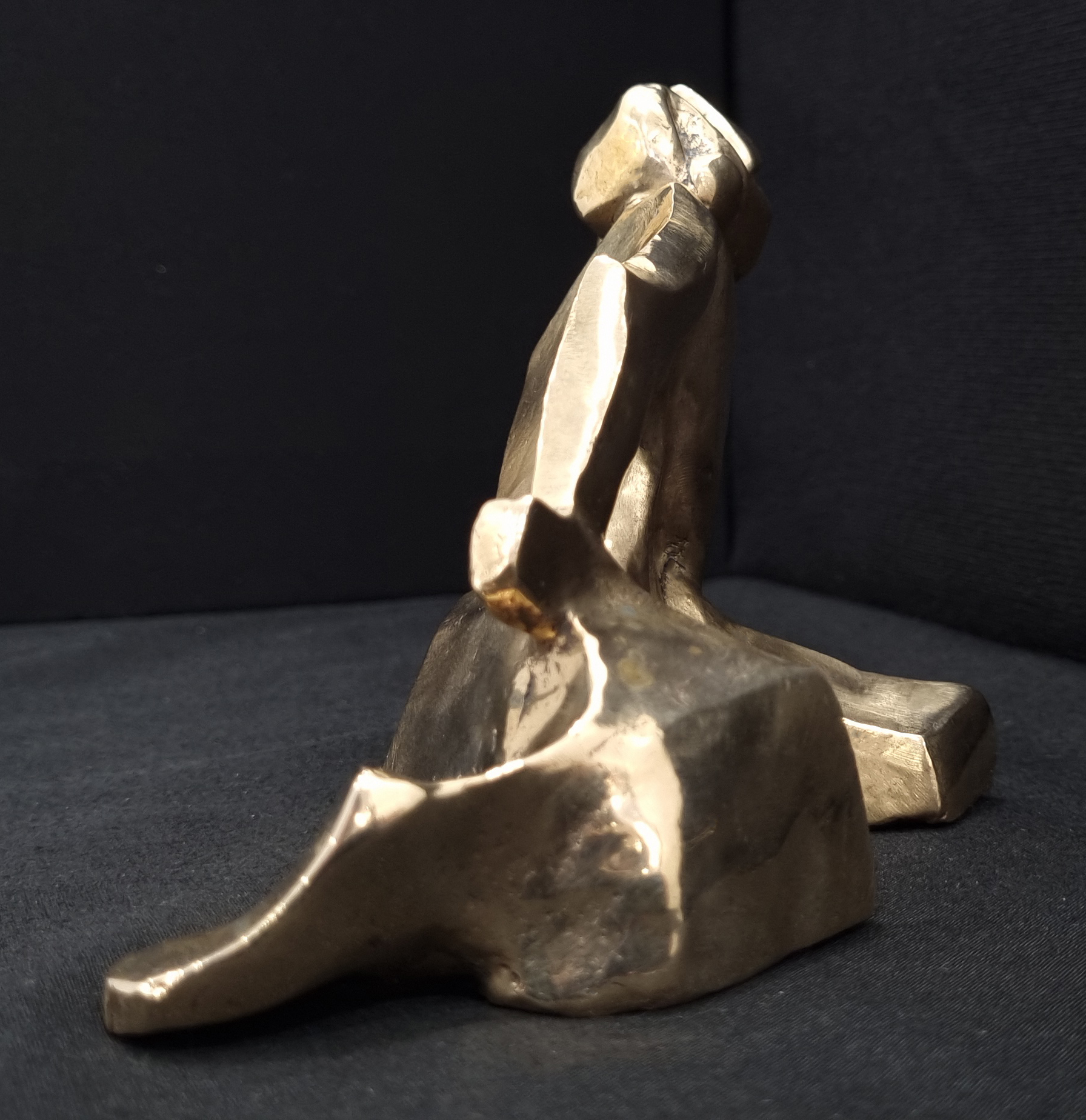
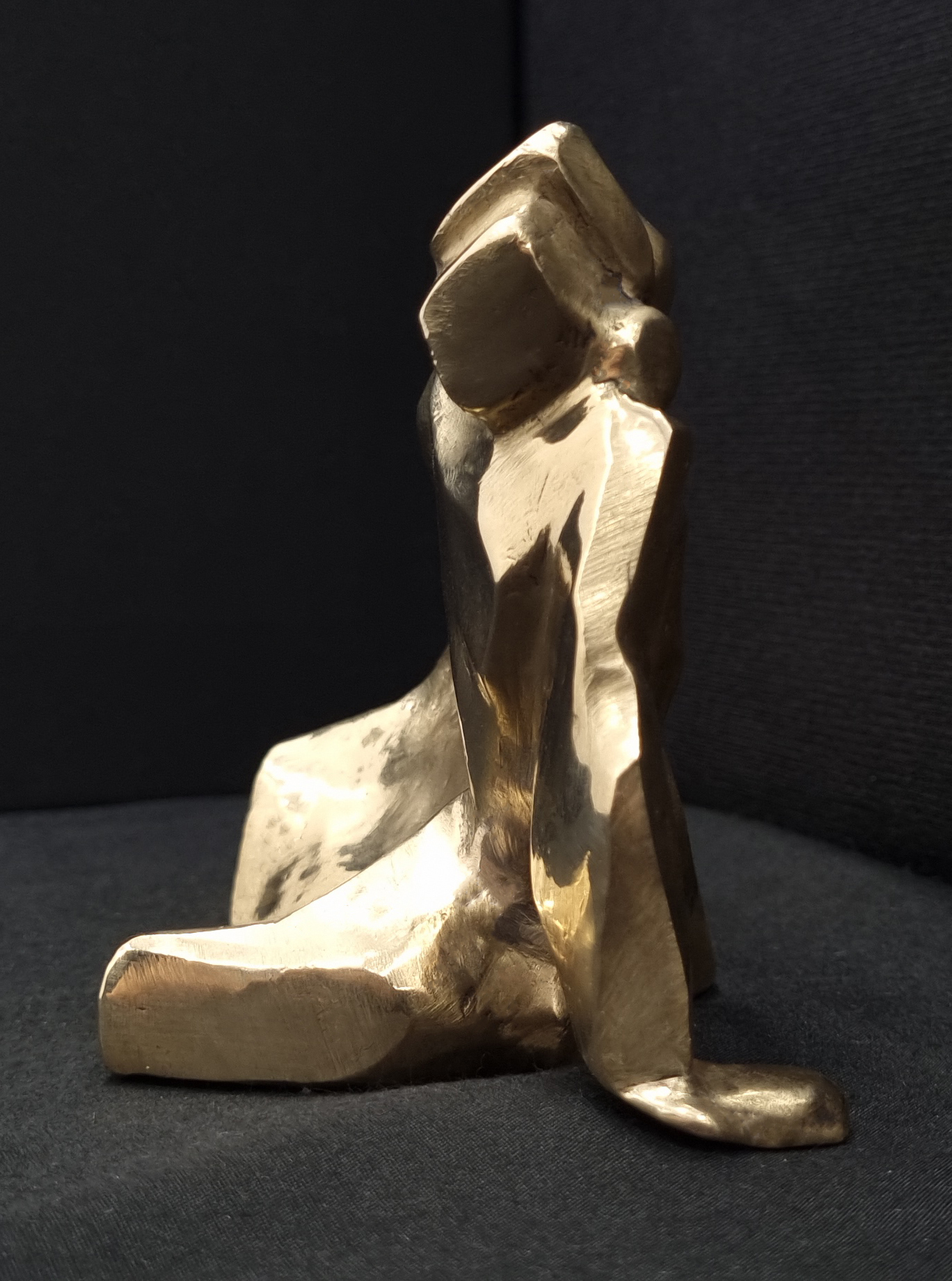
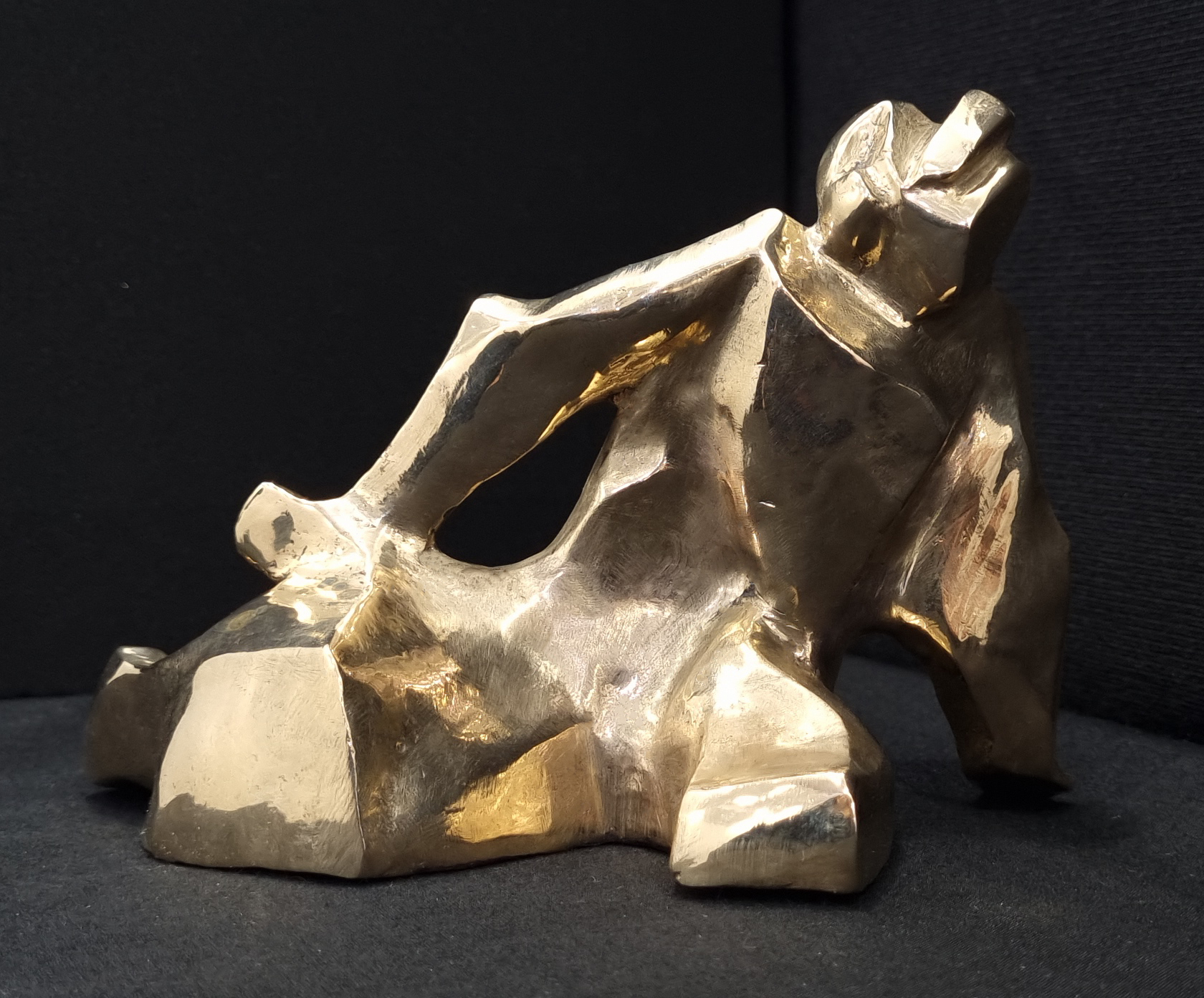
“Alam-Taj” is one of the early characters in my series Gods Always Demanding: Familiar Myths—a body of work that emerged from observing human behavior and gradually developed into a form of contemporary mythology. In this series, familiar figures from everyday life, through an exaggeration of their behavioral and physical traits, take on the guise of “gods” who are perpetually demanding something from the world and from others. Alam-Taj emerged from years of observing people who contribute little to their relationships and surroundings, yet whose expectations of others are seemingly endless. My experience in documentary filmmaking allowed me to observe human behavior closely; tone, pauses, looks, gestures, and bodily movements can sometimes reveal a person’s character and relationship to others more clearly than words. These observations later became one of the sources from which the characters of Gods Always Demanding emerged. In Alam-Taj, this quality is expressed not through narrative or dialogue, but through the way the body sits and organizes itself. The figure appears to expect something from the world while simultaneously withdrawing from any responsibility to respond to it. The expansive, heavy form of the body, together with the position of the head and upper torso, creates a character whose presence is marked by a sense of entitlement and perpetual expectation—as if whatever she has received has still never been enough. For me, Alam-Taj continues the path that began with Taj ol-Molouk: transforming a human observation into a sculptural character, and then moving that character from everyday reality into the realm of myth. She is not an ancient goddess; she is a familiar myth from the contemporary world. The bronze version of “Alam-Taj” was exhibited at the Didi Art Center Museum in Izadshahr.