.This is only available in persian language
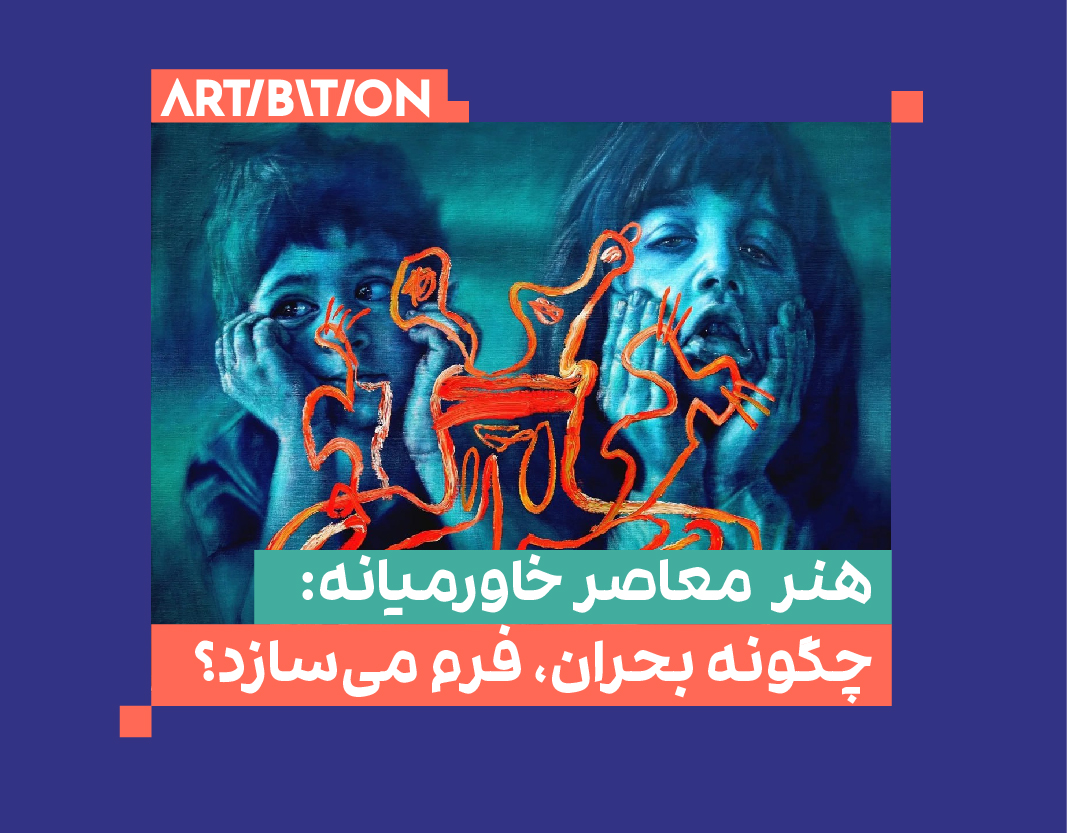
Contemporary Art of the Middle East: How Does Crisis Shape Form?

Rahele Yousefi
In recent decades, the Middle East has faced ongoing political, economic, and social crises. These crises affect not only the content of artworks but also their form and structure. In common artistic analyses of crisis, narratives often have a defined beginning and end, and works are considered meaningful only when they directly reference war, repression, or catastrophe. This perspective, however, reduces art to a document or the testimony of a witness, overlooking a deeper understanding of art under conditions of survival. A more complex relationship emerges between the realities of life and visual approaches, where art becomes a formal response to the struggle to endure. This essay examines the aesthetics of contemporary Middle Eastern art in conditions of survival. From this perspective, the use of unstable media, unfinished narratives, low visual quality, silences, and refusals are conscious or inevitable strategies for documenting, continuing, and expressing ongoing resistance.