

as Realism, Impressionism, and Academicism. Yet behind this familiar narrative lies another history that has long remained in the shadows: the history of women who, despite profound social and educational restrictions, succeeded in securing a lasting place within the development of modern art. Although France stood as one of Europe's foremost artistic centers, women artists encountered numerous obstacles to entering the profession—barriers rooted both in institutional structures and in prevailing social attitudes toward women's roles.
This marked a significant departure from the eighteenth century. Following the French Revolution and the emergence of the modern state, many expected that women would gain broader rights and greater opportunities. Instead, society moved toward a far stricter separation of gender roles.
Within the bourgeois culture of the nineteenth century, instruction in drawing and watercolor painting was considered an appropriate accomplishment for young women, as it formed part of the education expected of a cultivated lady. Becoming a professional artist, however, was an entirely different matter. Professional artistic practice implied participation in public life, financial independence, and direct competition with men—qualities that conflicted with the conventional expectations of women as wives and mothers. Consequently, many families, and even art instructors, failed to regard a professional artistic career for women as either realistic or desirable.
One of the greatest obstacles lay in access to formal education. Until 1897, women were not admitted to the École des Beaux-Arts in Paris, the most prestigious institution for artistic training in France. As a result, they were forced to study in private academies or under independent masters. Such education was expensive, often incomplete compared to the official curriculum, and rarely offered women opportunities equal to those available to their male counterparts.
The most significant difference between the education of male and female artists concerned life drawing. Within the French academic system, the study of human anatomy and drawing from nude models formed the very foundation of artistic training. Women, however, were considered morally unfit to attend such classes and remained excluded from them for decades. This restriction effectively prevented them from pursuing history painting—the highest and most prestigious genre within the academic hierarchy—one that received the greatest institutional recognition, government patronage, and artistic awards. Consequently, women were excluded from many competitions, official commissions, and professional opportunities.
These limitations also shaped the subjects women chose to paint. Many turned to portraiture, still life, landscape, and scenes of everyday domestic life—genres that academic critics regarded as less significant than history painting. Ironically, these very subjects later became fertile ground for the emergence of a new visual language that would play a vital role in the development of modern art. Unable to participate freely in battlefields, political ceremonies, or many public spaces, women transformed private life, the home, family relationships, and everyday experience into the central themes of their work, bringing subjects that had previously occupied the margins of artistic practice to the center of modern painting.
Social restrictions extended well beyond education. Women lacked the freedom to travel independently, to move unaccompanied through many urban spaces, or to observe public life and nature as freely as men. These constraints inevitably narrowed the scope of their artistic experience and observation. The Russian artist Marie Bashkirtseff, in her diary, wrote of her simple wish to walk alone through the streets, sit in parks, visit museums freely, and observe urban life firsthand. She regarded such freedoms as essential to becoming a true artist. Testimonies like hers reveal that the challenge facing women was not merely educational exclusion, but also the restriction of lived experience itself.
Despite these formidable obstacles, several women achieved extraordinary success. Among the most remarkable was Rosa Bonheur, celebrated for her paintings of animals. Encouraged and trained by her father, Bonheur achieved both financial success and international recognition through works such as The Horse Fair. To study horses and other animals with accuracy, she regularly visited livestock markets, stables, and slaughterhouses—spaces considered almost exclusively male. She even obtained official permission to wear men's clothing so that she could move freely and work without attracting unwanted attention. Bonheur's career was exceptional: she became the first woman to receive the Legion of Honour in France and, during her lifetime, one of Europe's most celebrated artists.
Alongside Bonheur, Berthe Morisot occupied a fundamental position in the development of Impressionism. Contrary to the common perception that presents her merely as a female participant in the movement, Morisot was one of the founding and most active members of the Impressionist circle, exhibiting in nearly all of its independent exhibitions. Her paintings are distinguished by luminous colors, fluid brushwork, and an intimate attention to women's lives. Beyond helping to shape the visual language of Impressionism, Morisot offered an original perspective on everyday life, motherhood, and domestic relationships, transforming women's lived experience into a central subject of modern art.
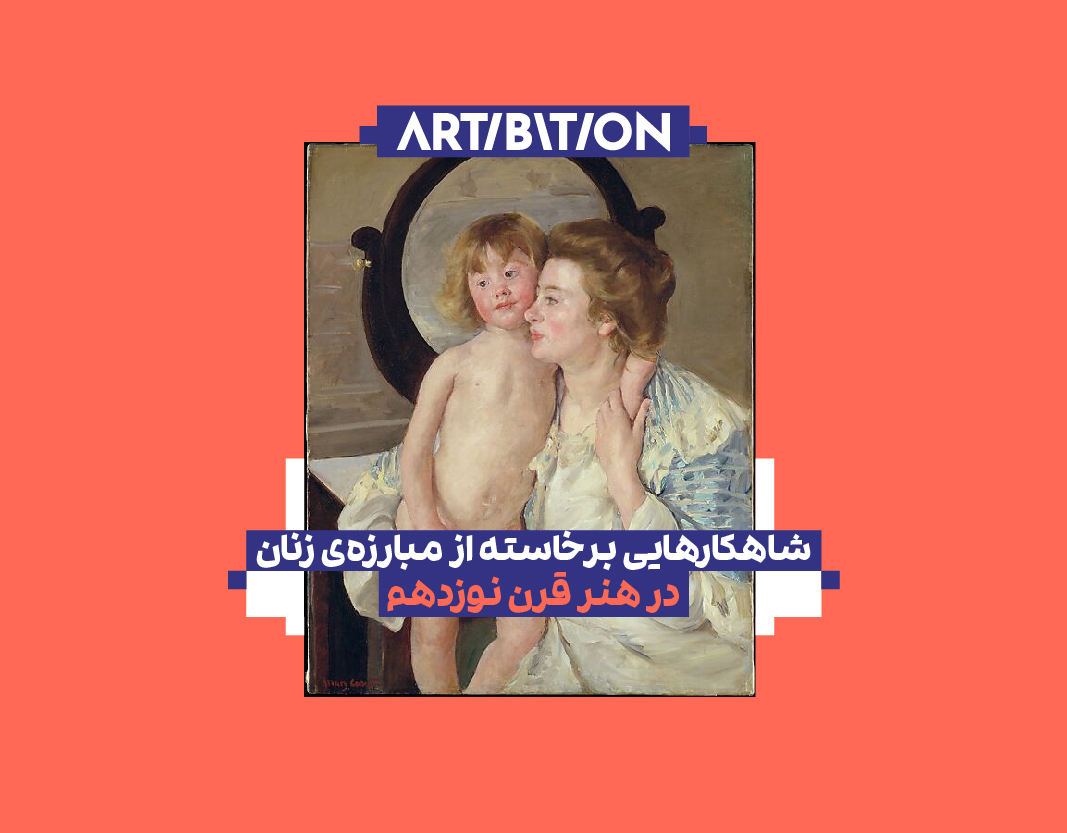
Mary Cassatt, the American painter who spent most of her professional career in Paris, was another leading figure within the Impressionist movement. Encouraged by Edgar Degas, she joined the Impressionists and later achieved international recognition through her celebrated depictions of mothers and children. Cassatt deliberately chose subjects that had long been dismissed as ordinary or insignificant. Through her innovative vision and remarkable sensitivity, however, she transformed these scenes into profound explorations of human relationships, affection, and daily life. Her pioneering work in color printmaking and draftsmanship also made a significant contribution to the development of modern art.
Many of the successful women artists of this period, including Bonheur and Cassatt, either remained unmarried or maintained an unusual degree of personal independence. Furthermore, most entered artistic circles through relationships with male artists—as daughters, students, colleagues, or family members. This reality demonstrates that the artistic institutions of the nineteenth century were still structured in ways that rarely allowed women to establish professional careers without male mediation.
Yet these limitations did more than obstruct women's artistic ambitions; they also shaped the distinctive character of their work. Their sustained focus on domestic life, personal relationships, private spaces, and everyday experience eventually became one of the defining characteristics of modern art itself. Excluded from the officially sanctioned genres of Academic painting, women instead revealed the aesthetic richness of subjects that had previously been considered minor or insignificant. For this reason, contemporary art historians increasingly recognize nineteenth-century women artists not merely as exceptional individuals who overcame adversity, but as influential figures who fundamentally redirected the course of modern art.
The admission of women to the École des Beaux-Arts in Paris toward the end of the nineteenth century marked the beginning of gradual institutional change. Following the end of the First World War, women secured greater social and political rights, including the expansion of voting rights in many countries, while the feminist movements of the 1960s and 1970s further challenged the historical exclusion of women from cultural and artistic life. These developments created new opportunities for women artists and encouraged a profound reassessment of their contributions to art history.
Today, the renewed study of these artists reminds us that the history of art is not solely the history of masterpieces; it is also the history of the struggle to be seen. Despite educational, social, and professional discrimination, the women artists of nineteenth-century France continued to create, securing their place within the history of art and playing a decisive role in shaping new understandings of vision, experience, and identity in modern artistic practice. Contemporary scholarship increasingly emphasizes their significance, seeking to restore their rightful place within the canonical narrative of art history.